
In the vast world of canine companions, particularly within the realm of hunting, a select few breeds tend to dominate the spotlight. Yet, beneath this veneer of popularity lies a treasure trove of lesser-known, equally skilled, and often more versatile hunting dogs. This exploration delves into the unique attributes of several such breeds, urging hunters to reconsider conventional choices and discover the profound capabilities these underrated canines bring to the field. From the adaptable Deutsch Langhaar to the multifaceted West Siberian Laika, each breed offers distinct advantages tailored to specific hunting styles and environments.
Unveiling the Hidden Gems of the Hunting Dog World
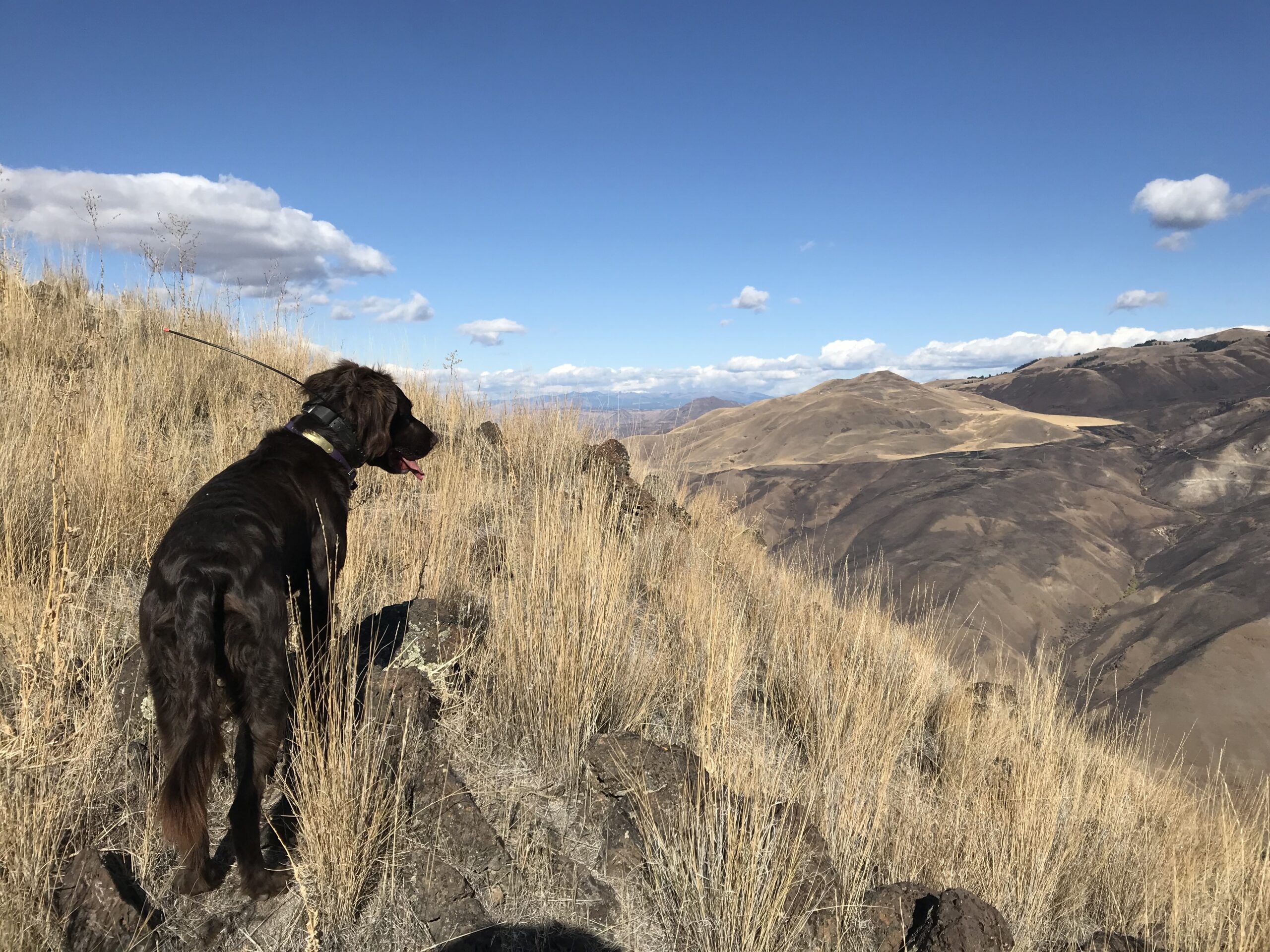
For enthusiasts of the hunt, the journey to find the perfect canine partner often begins with familiar names like Labradors or Pointers. However, a compelling narrative emerges from those who champion less conventional breeds, advocating for a broader perspective on what constitutes an ideal hunting dog. Jennifer Wapenski, a dedicated owner and breeder of the Deutsch Langhaar, frequently encounters fellow bird hunters unfamiliar with her capable companions. She highlights their impressive adaptability, equally at home navigating challenging mountainous terrains or the vast expanse of a salt marsh, proving that exceptional talent isn't exclusive to the most common breeds.
The article posits that the sheer diversity of hunting dogs reflects the varied needs and preferences of hunters. While popular breeds have their merits, their widespread appeal can sometimes inadvertently dilute the preservation of their natural hunting instincts within certain lineages. Conversely, many rare breed clubs meticulously ensure their dogs are placed in hunting homes, thereby safeguarding and promoting the inherent skills crucial for field performance. This dedication often fosters tight-knit communities where expertise and passion for specific breeds are shared and nurtured.
Among the standout underrated breeds, the Kleine Münsterländer shines as an exceptionally versatile pointing and all-around small game dog. While its close relative, the Small Münsterländer, sees increasing recognition, the Kleine Münsterländer, particularly those registered under the stringent German testing system, remains a hidden gem. These dogs, known for their consistent performance and proven hunting pedigrees, excel not only with upland birds and waterfowl but also in rabbit hunting and tracking wounded big game where legal. Their balanced capabilities make them an ideal choice for hunters seeking a comprehensive companion without the intense drive often associated with other German breeds.
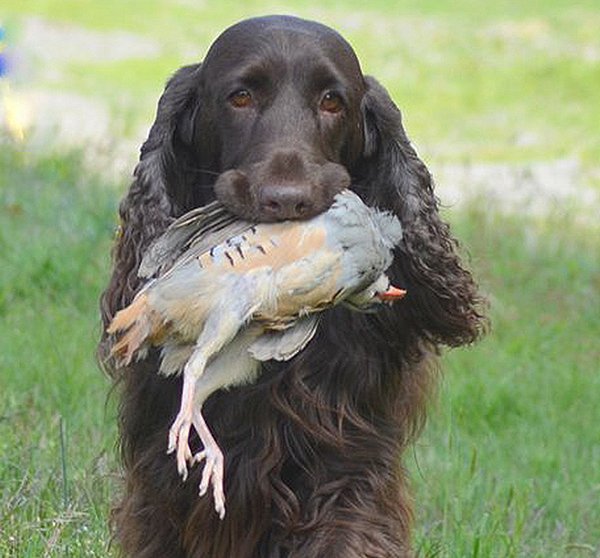
The Field Spaniel emerges as the unsung hero among flushing dogs. In an era where field-bred English Cockers are highly sought after, the Field Spaniel offers an equally competent yet less common alternative. Unlike many spaniel breeds that have largely transitioned into house pets, the Field Spaniel has largely maintained its hunting instincts, without the split into distinct field and show lines. Owners laud their ability to locate birds and their eagerness to please, coupled with an adaptable and easygoing demeanor at home. Acquiring one may require diligent research and a willingness to travel, but the reward is a dedicated and effective flushing partner.
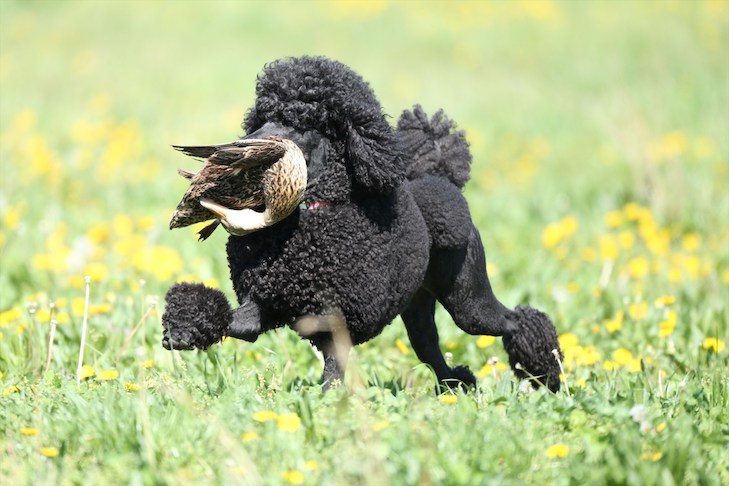
For retrievers, the Standard Poodle surprisingly claims the title of most underrated. Often perceived as purely companion animals, their historical roots lie in waterfowling in France and Germany. Their dense, curly coats are not just aesthetically pleasing but also highly practical for water retrieval. Renowned for their intelligence, Poodles bring a sharp mind to hunting and training, though their independent nature may necessitate a tailored training approach. Beyond ducks, their excellent noses and strong work ethic make them adept at flushing upland birds like pheasants and quail. Prospective owners are advised to research thoroughly to find lineages with the appropriate drive for hunting, as the breed's popularity as a pet can sometimes obscure its working capabilities.
Finally, the West Siberian Laika stands out as the most underrated treeing dog. While feists and curs are traditional favorites for squirrel and raccoon hunting, Laikas offer unparalleled versatility. Originating from ancient Russian civilizations, where they were used to hunt wild boar and bears and protect camps from predators, these dogs possess an innate hunting drive. They require minimal training beyond basic obedience, instinctively understanding how to track, tree, and pursue various game. Laikas thrive with ample space and rigorous exercise, making them unsuitable for urban environments. Their fiercely loyal nature often extends to a singular owner, emphasizing the deep bond formed with these primal, intelligent canines. Locating a purebred Laika may involve connecting with specialized breeders and community groups, highlighting the dedication required to welcome one into a hunting home.

This insightful exploration of underrated hunting dog breeds serves as a valuable reminder that true capability often lies beyond mainstream recognition. It encourages hunters to broaden their horizons, delve into the rich tapestry of canine genetics, and discover a companion that perfectly aligns with their hunting philosophy and lifestyle. The dedication to preserving hunting instincts within these unique breeds ensures a future where diversity and specialized skills continue to enrich the hunting experience for generations to come. Ultimately, the quest for the ideal hunting dog is not just about finding a skilled animal, but about forging a profound partnership built on mutual respect and a shared passion for the outdoors.